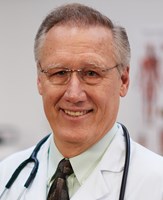
On March 30, communities across the U.S. will honor the service of physicians—not just as medical professionals, but as stewards of healing and compassion in a broken world. National Doctors’ Day was first observed in 1933 in Winder, Georgia, when Eudora Brown Almond and fellow members of the Barrow County Alliance wrote cards, sent flowers, and placed memorial blossoms on the graves of physicians who had passed. This tradition eventually grew into a national observance, officially recognized in 1991 by Congress.
As a physician myself, I appreciate this day. And as believers, we recognize that healing is both a physical art and a divine calling. As it is written in James 5:14 [NIV], “Is anyone among you sick? Let them call the elders of the church to pray over them and anoint them with oil in the name of the Lord.”
Doctors have a principal role in a sacred ministry of care and restoration—one that often reflects God’s heart for the suffering.
The journey to medicine: Commitment, cost, and calling
Becoming a physician isn’t a casual decision, but a long and demanding pilgrimage requiring:
- 4 years of undergraduate study,
- 4 years of medical school, and
- 3–7+ years of residency training (with additional fellowship years for some specialties)
From the first pre-med course to independent practice, it often takes 11–15 years or more of rigorous study and clinical training before a young doctor truly begins to serve patients on their own.
The financial cost is significant, with graduates carrying an average educational debt of $200,000–$250,000. Many physicians spend their first decade after college paying down loans while working long hours for modest residency salaries.
Rewards of the calling
Despite the challenges, the work is deeply rewarding. Every day offers moments to use skills and compassion.
Some of the most meaningful rewards include:
- The privilege of bearing witness to life’s most tender moments such as birth, healing, forgiveness, and reconciliation.
- Easing suffering and restoring function so people can return to family, work, and purpose.
- The trust placed in physicians by patients and families—a human echo of God’s own invitation to care for one another.
- The daily reminder that healing, even when imperfect, brings hope and dignity.
Like the good Samaritan who “binds up wounds” [Luke 10:34, NIV], physicians act as agents of comfort and care in the brokenness of our world.
Challenges of physicians today
Modern medicine often feels like a marathon, and physician burnout is a growing concern. Recent surveys indicate that nearly half of U.S. physicians report symptoms of burnout, including emotional exhaustion, depersonalization, and reduced sense of accomplishment.
- Despite improvement after the pandemic, the burnout rate remains significantly higher for physicians than many other professions.
- Primary care doctors (who often serve as the front line of community health) have especially high stress levels compared with other specialties.
Burnout correlates with decreased job satisfaction and diminished well-being for clinicians and patients alike. As a physician myself, I’ve found that this burnout is rarely rooted in caring for patients, but rather in working within healthcare systems that reduce physicians to data-entry clerks or productivity units rather than honoring the relational and vocational heart of medicine.
Yet, many physicians still find joy and meaning in their vocation. Recent data suggests that many doctors still report overall job satisfaction, particularly when their work allows them to practice medicine in ways that preserve meaningful patient relationships and professional integrity. Many doctors express enduring pride in their role and a sustained sense of calling, even as they navigate challenging healthcare systems.
Gratitude heals doctors, too
This Doctors’ Day, consider saying thanks to your personal physician. A simple, heartfelt “thank you for helping me” matters more than we often realize—especially to physicians who work long hours and carry heavy burdens.
Here are ways to express gratitude to your physician:
- Write a handwritten note sharing how a doctor’s care changed your life.
- Pause to say “thank you” during visits—genuine encouragement sticks with caregivers.
- Mention specific qualities (kindness, attentiveness, clarity of explanation) you noticed during your visit.
- Pray for your doctor privately or as part of your church prayer time. Ask God to give them wisdom, strength, and rest.
- Encourage others to share thanks! A culture of gratitude strengthens communities and reinforces a doctor’s calling.
A simple “thank you” is a small seed, but with faith and care, it grows to make a lasting impact.
A culture of care
On National Doctors’ Day, we honor my physician colleagues for what they do, and for what they give—long nights, listening ears, steady hands, and compassionate hearts.
As a community of faith, we celebrate the gift of healing, and pray God sustains doctors with wisdom, resilience, and peace. Jesus reminds us in Matthew 25:40 [NIV], “Whatever you did for one of the least of these brothers and sisters of mine, you did for me.”
If you need a physician who prioritizes your care, explore CHM’s Virtual Care Solution through HealthTap for convenient access to caring, licensed doctors. Learn more by visiting www.healthtap.com/for/chm/.
With every compassionate diagnosis and restorative treatment, God’s love is reflected through the doctors He calls to serve.
References
Wikipedia – National Doctor’s Day https://en.wikipedia.org/wiki/National_Doctors%27_Day?utm_source=chatgpt.com
AMA Measuring Physician Burnout May 15, 2025. https://www.ama-assn.org/practice-management/physician-health/measuring-and-addressing-physician-burnout?utm_source=chatgpt.com
AMA National Physician Burnout Survey, May 15, 2025 https://www.ama-assn.org/practice-management/physician-health/national-physician-burnout-survey?utm_source=chatgpt.com.
Mohr DC, Elnahal S, Marks ML, Derickson R, Osatuke K. Burnout Trends Among US Health Care Workers. JAMA Netw Open. 2025 Apr 1;8(4):e255954. doi: 10.1001/jamanetworkopen.2025.5954. PMID: 40257797; PMCID: PMC12013355.
AAFP. Family Physician Burnout, Well-Being, and Professional Satisfaction (Position Paper). 2023.