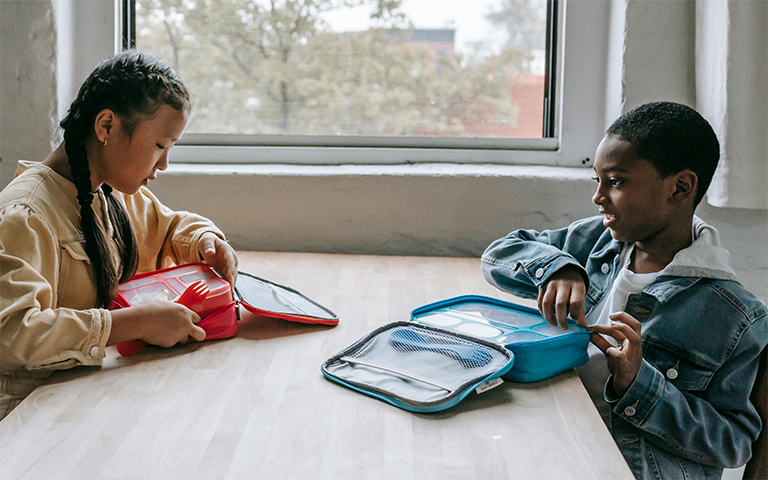
As the new school year begins, parents start a familiar routine—packing lunches.
With childhood comes remarkable growth: they’re building bones, muscles, brain matter, immune systems, and habits. A nutritious lunch builds a healthy body and also supports concentration in the classroom, athletic performance on the field, and overall physical and emotional well-being.
Lunches should provide a balanced combination of protein, healthy fats, complex carbohydrates, vitamins, minerals, and hydration.
Macronutrients
In general, depending on age:
- Protein should provide approximately 10–30% of calories.
- Healthy fats should provide approximately 25–35% of calories.
- Carbohydrates should provide approximately 45–65% of calories.
It’s good practice to fill half the lunch with fruits and vegetables, one-quarter with protein, and one-quarter with healthy carbohydrates.
Healthy food for kids
Many American children fall short in several key nutrients, including:
- Fiber
- Calcium
- Vitamin D
- Potassium
- Iron (particularly adolescent girls)
Foods that help address these gaps include fruits, vegetables, beans, dairy products, nuts, seeds, and whole grains. The exact needs vary by age and activity level. The following is a breakdown of the most important nutrients per age:
Ages 0–1
For infants, breast milk or iron-fortified formula remains the primary source of nutrition during the first year of life. Most infants require approximately 450–900 calories per day, depending on age and size.
As solid foods are introduced around six months of age, parents should focus on nutrient-dense foods such as:
- Iron-fortified cereals
- Pureed vegetables and fruits
- Mashed beans
- Yogurt
- Eggs
Key nutrients include iron, zinc, healthy fats, and vitamin D.
Ages 2–4
Toddlers and preschoolers typically require 1,000–1,400 calories daily. A healthy lunch should contain:
- A protein source (turkey, chicken, cheese, yogurt, eggs, beans)
- A fruit
- A vegetable
- A whole grain
- Water or milk
Example Lunch:
- Turkey roll-ups
- Apple slices
- Carrot sticks
- Whole-grain crackers
- Water
Important nutrients include calcium for bone development, iron for healthy blood cells, and healthy fats for brain growth.
Ages 5–9
School-aged children generally require 1,200–2,000 calories per day depending on size, sex, and activity level. This is often the age when highly processed snacks begin competing with healthier foods. Parents can help by prioritizing foods that provide sustained energy rather than rapid spikes in blood sugar.
A balanced lunch should include:
- Lean protein
- Whole grains
- Fruits and vegetables
- Healthy fats
Example Lunch:
- Whole-grain turkey sandwich
- Strawberries
- Bell pepper strips
- String cheese
- Water
Protein becomes increasingly important because it promotes satiety and supports growing muscles and tissues.
Ages 10–13
Preteens often require 1,800–2,400 calories daily.
This stage marks the beginning of significant physical changes. Bone growth accelerates, muscles develop, and nutritional demands increase substantially.
Parents should focus on:
- Higher-quality protein intake
- Calcium-rich foods
- Iron-rich foods
- Plenty of fruits and vegetables
Example Lunch:
- Grilled chicken wrap
- Greek yogurt
- Grapes
- Mixed vegetables
- Water
Key nutrients during this stage include calcium, vitamin D, iron, zinc, and magnesium.
Ages 14–18
Teenagers often have the highest nutritional needs of any age group outside infancy. Daily calorie requirements frequently range from 2,000–3,200 calories for boys and 1,800–2,400 calories for girls, depending on activity levels. Athletes may require even more.
Teen lunches should emphasize:
- Adequate protein
- Complex carbohydrates
- Healthy fats
- Fruits and vegetables
- Hydration
Example Lunch:
- Chicken and brown rice bowl
- Mixed berries
- Nuts
- Vegetables with hummus
- Water
Teen girls should pay particular attention to iron intake, while both boys and girls need sufficient calcium and vitamin D to support peak bone development.
Five lunchbox tips for busy parents:
- Include a protein source every day.
- Choose whole foods when possible. The fewer ingredients on the label, the better.
- Pack fruits and vegetables consistently, even if they are not eaten every time.
- Limit sugary drinks. Water remains the best choice for most children.
- Think patterns, not perfection. One lunch will not determine your child’s health, but years of healthy choices can make a tremendous difference.
As parents, we shape not only what our children eat today but also the habits that may help them enjoy better health for decades to come. A simple lunch packed with protein, fruits, vegetables, whole grains, and water remains one of the best investments we can make in our children’s future.