As our bodies age, the requirements for staying healthy change. Weight management, cholesterol, heart health, energy levels—much depends on the food that fuels our bodies.
Sometimes we make drastic decisions—cutting out all carbs, eating only meat, or avoiding fats altogether. But in making those snap decisions, we often miss out on significant health benefits.
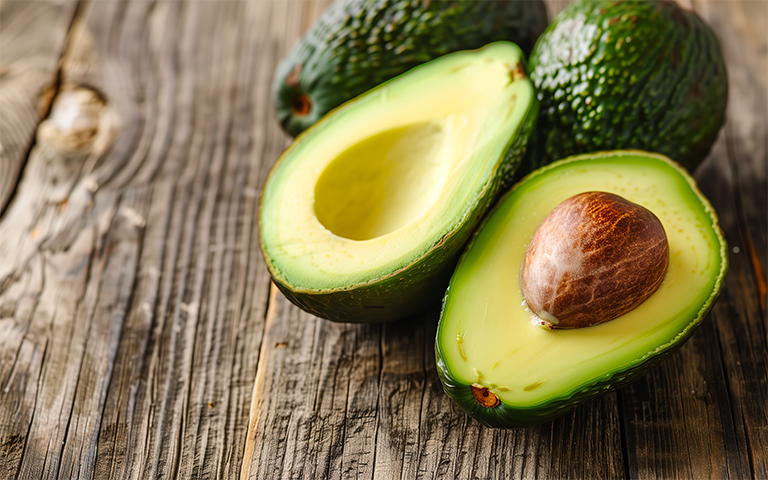
Take the avocado, for example. One first glance, it’s a fatty, calorie-dense fruit. However, a closer look reveals that, while avocados are high in fat, they are incredibly nutritious. Regular consumption supports heart health, promotes digestive regularity, and provides powerful antioxidants. It’s remarkable that something so calorie-dense and fatty can also contribute to a healthy lifestyle.
Just as we use discretion with our diets—and the avocado—we must also use discretion with our spiritual lives.
Spiritual health
There is no life more fruitful and fulfilling than one in pursuit of God. Unfortunately, our human imperfections divert us from this beautiful reality.
Many former church-going Christians stopped attending church due to hurt by their faith communities. As flawed and imperfect people, we distort the truths of Jesus. It cuts deeply when hurt involves trust, faith, and one’s understanding of God.
As a result, some distance themselves from their faith communities—or, in some cases, walk away from God altogether. But just as cutting out entire categories of food is rarely beneficial for our physical health, removing God or community from our lives makes our struggles worse.
We can’t settle for unhealthy spiritual practices. We need discernment.
Spiritual discernment
It’s easy to follow others when it comes to spiritual habits. However, following flawed people leads to flawed outcomes. Discernment is essential.
Spirit-led discernment is a learned, grounded ability to recognize truth and what doesn’t.
It isn’t a switch you flip; it’s a muscle that strengthens over time. Through experience, reflection, and practice, you become more aware of both helpful and harmful patterns.
Here are some ways to practice discernment:
Alignment with Jesus
Discernment filters choices through the life and teachings of Jesus Christ. It asks: Does this reflect His love, humility, truth, and compassion? Or does it justify control, pride, or harm?
Discernment must be grounded in Scripture. We can’t discern truth if we’re unfamiliar with its source. To approach Scripture humbly, we set aside personal biases and non-biblical influences. The world must be filtered through Scripture—not the other way around.
Fruits of the Spirit
As believers, we’re called to reflect the fruits of the Spirit. Truth is recognized by its fruit (Matthew 7:16). Not everything that appears good at first remains good. Discernment pays attention to patterns, not first impressions.
Discernment asks: Does this situation or influence produce peace, growth, and goodness?
Wise input
Discernment doesn’t happen in isolation; there’s wisdom in seeking counsel (Proverbs 11:14; 15:22). While other people can’t be your sole source of truth, clarity is provided by people who consistently demonstrate the fruits of the Spirit. A trustworthy voice helps reveal blind spots. Wise counsel can also help you slow down when facing urgent or fear-driven choices. Even so, all advice should be weighed against Scripture—especially if you’ve been hurt before.
Practice discernment
If you’ve been hurt by the church, discernment becomes even more important—and sometimes harder. You may second-guess yourself or feel unsure what, or who, to trust. That’s normal. Go slow, rebuild trust in your own Spirit-led perception, and be cautious of environments that discourage questions.
We need discernment in our spiritual and physical diets. Embrace the “avocado” in your walk with God.