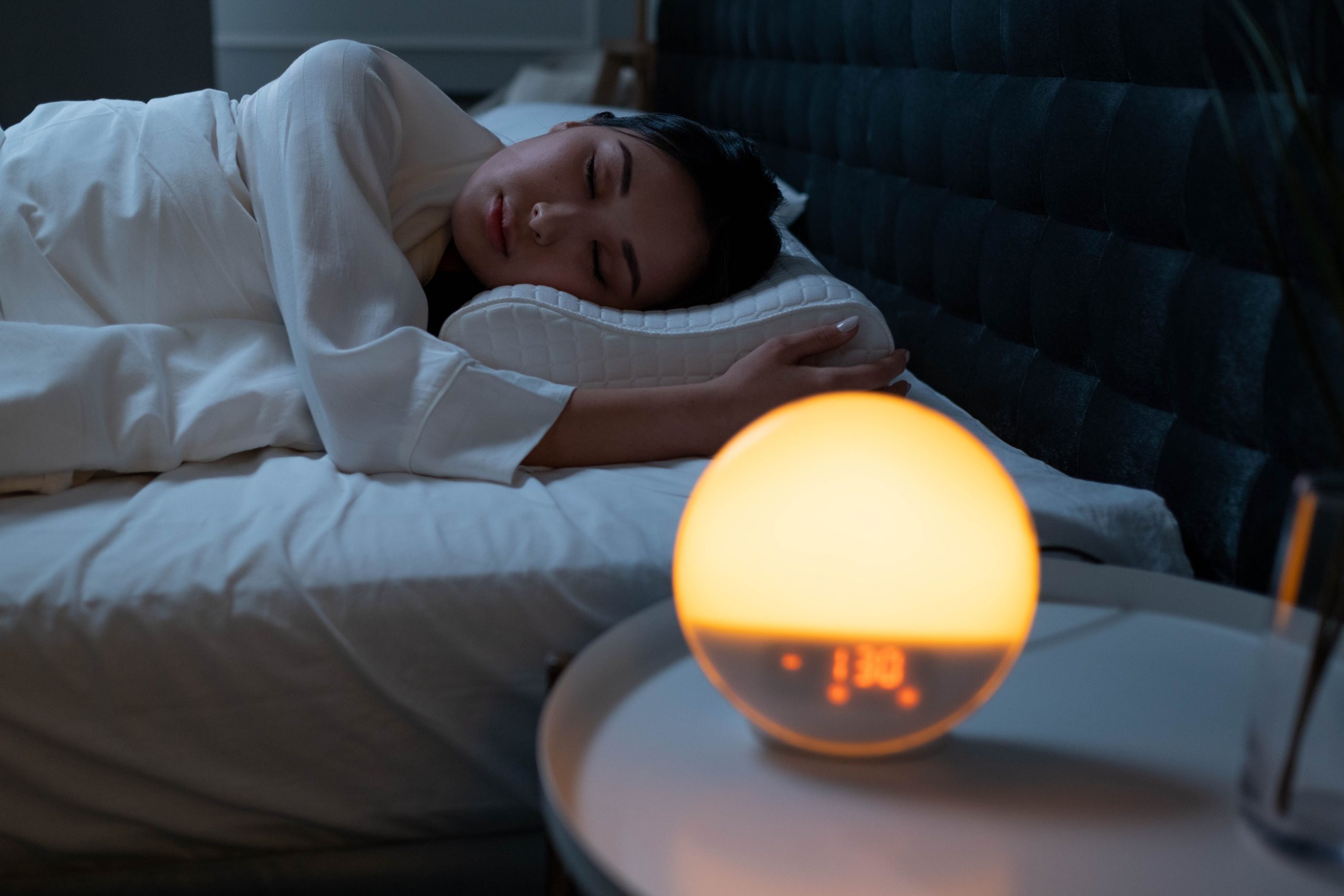
I never understood how precious sleep was until the birth of my fourth child. Some nights, I slept for an hour at a time. Other nights, it felt like only minutes. I remember holding her and crying from sheer exhaustion, wondering how I would make it through another day.
That season brought me to a deep realization. In my desperation, God began showing me that rest matters, both physically and spiritually, and that we were not created to push through exhaustion. It also taught me that getting enough sleep is not always as simple as going to bed earlier. Hormonal changes, stress, caregiving, and health conditions can all interfere with rest.
Most adult women need about seven to nine hours of sleep each night. But the number of hours is only part of the picture. Understanding what is disrupting sleep can help you find the support your body needs for your specific season of life.
Do women need more sleep than men?
That seven-to-nine-hour recommendation is similar for adult men and women. Research does not show that women universally need more sleep than men. CDC data shows that men and women sleep fewer than seven hours at nearly identical rates.
The difference shows up in sleep quality, not duration. Women are more likely than men to report trouble both falling asleep and staying asleep. Nearly one in five women say they have trouble falling asleep most days, compared with about one in eight men. Women are also less likely to wake up feeling rested.
So, the better question may not be whether women need more hours of sleep. It may be whether they are getting enough uninterrupted, quality sleep to feel restored. What interrupts sleep will likely look different for each woman at each stage of life.
How sleep changes throughout a woman’s life
A woman’s sleep rarely stays the same for long. It shifts with her hormones, responsibilities, and health, often changing again just as she adjusts to the last shift.
The menstrual cycle can affect sleep for many women. Some notice more restless sleep after ovulation, while others find it difficult to fall asleep in the days before their period. Some women may experience premenstrual dysphoric disorder (PMDD), a severe form of PMS that can interfere with daily life through intense mood swings, anxiety, and sleep problems. The HHS Office on Women’s Health reports that nearly seven in ten women with PMDD have difficulty falling asleep or staying asleep in the days leading up to their period.
Pregnancy brings its own changes. Many women feel more tired in early pregnancy, then find it harder to rest in the third trimester, when discomfort, leg cramps, and frequent trips to the bathroom disrupt sleep. After birth, a newborn’s schedule quickly replaces any routine a new mother once had, as recovery, frequent feedings, and long nights leave little opportunity for uninterrupted rest. The emotional and physical demands of postpartum life can also affect a mother’s sleep, even after the baby settles into a routine.
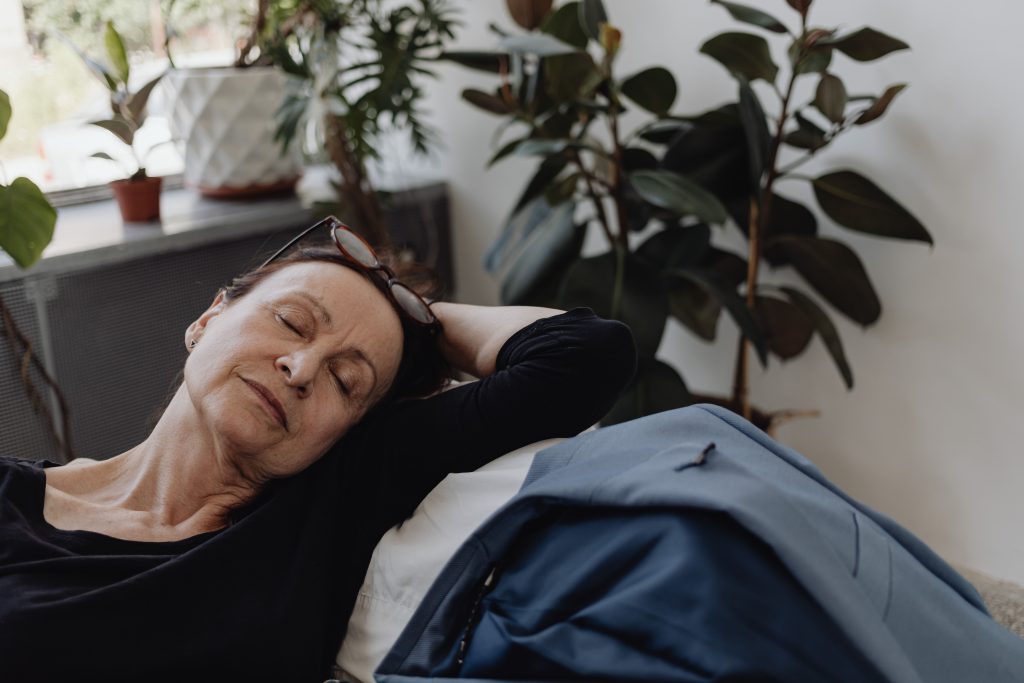
Stress and a heavy mental load can keep a woman’s mind active at bedtime, even when her body is exhausted. Juggling work, kids, aging parents, and home life leaves little room for the mind to quiet down once the lights go out. As the weight of it all settles in, worry can make sleep even harder to find. Returning to what Scripture says about fear and anxiety can offer a steady place to refocus.
Perimenopause and menopause bring a different kind of disruption. Hot flashes and night sweats can interrupt sleep, while other hormonal changes during these years may make it harder to fall or stay asleep. This stage also tends to overlap with some of life’s busiest seasons, such as raising teenagers, supporting adult children, or caring for aging parents, all while adjusting to a body that feels less predictable than it used to.
Sleep doesn’t usually change for one reason. It changes because a woman’s life does.
For many women, disrupted sleep isn’t tied to a single cause. It’s the accumulation of a full life.
Common sleep problems in women
Sometimes eight hours in bed still doesn’t leave you feeling rested. When sleep is fragmented or interrupted, the number of hours may look adequate on paper, yet sleep quality still suffers.
A few common conditions may explain why:
Restless legs syndrome: an uncomfortable urge to move the legs, often worse at night. Women experience restless legs syndrome more often than men, and pregnancy is a common time for symptoms to appear.
Insomnia: difficulty falling or staying asleep despite having enough time and opportunity to sleep. More than one in four women in the United States experience insomnia, according to the HHS Office on Women’s Health.
Sleep apnea: a condition where breathing repeatedly stops and starts during sleep. Sleep apnea is often underdiagnosed in women because symptoms may include insomnia, anxiety, or nightmares rather than the loud snoring more commonly associated with the condition.
Other factors that disrupt sleep include pain, medications, and underlying health issues. Persistent poor sleep isn’t always tied to your bedtime habits or environment. Sometimes it’s a sign that something else needs attention.
What to do when good sleep habits aren’t enough
Basic sleep habits still matter, and understanding why sleep is important can help you strengthen that foundation before adding anything else. When those habits aren’t enough, the next step is to figure out what’s getting in the way.
- Identify the real disruptor. Is it a baby waking you, a hot flash, pain, anxious thoughts, restless legs, or snoring? The solution will vary depending on the cause.
- Track your patterns. Keeping a sleep diary for a week or two helps you and your healthcare provider identify patterns you might not otherwise notice.
- Pay attention to your sleep-wake rhythm. Light exposure helps regulate your body’s natural sleep cycle. During perimenopause and menopause, when sleep disruptions are common, supporting a consistent sleep-wake rhythm may be especially helpful. Get natural light during the day when possible, and limit bright screens and other light sources near bedtime.
- Manage hot flashes and night sweats. Keep your bedroom cool, and consider breathable bedding or layered sleepwear to help you adjust to the temperature throughout the night.
- Quiet a racing mind before bed. A few minutes of prayer or reflection may help settle the mind, not as another task to complete but as a way to let go of the day’s weight before sleep.
Start with the changes that fit your situation, and pay attention to whether your sleep improves over time. If it doesn’t, or if the fatigue lingers, that may be a sign to look deeper.
When it’s time to talk with a healthcare provider
When sleep doesn’t improve, it’s worth talking to your healthcare provider.

Consider reaching out if:
- Nothing you have tried seems to make a meaningful difference.
- Sleep problems continue despite changes you have made.
- Daytime sleepiness affects your focus, mood, daily activities, or safety.
- You wake up gasping or choking during the night.
- Anxiety or low mood are building alongside the sleep loss.
A provider can help identify the cause of the disruption and recommend a path forward tailored to your specific situation. You do not have to suffer in silence or figure it out alone.
Sleep will continue to change as your life does, through busy seasons, hard nights, and everything in between. Paying attention to what your body needs and taking those needs seriously are part of caring for yourself and your family. Caring for your own health helps you continue caring for the people God has placed in your life.
You were not meant to carry exhaustion alone. Community, support, and prayer can help you navigate seasons when rest is hard to find. That’s part of what CHM’s community offers: a place to find encouragement and support as you navigate the seasons that shape your health, including those that keep you up at night.
References
- American College of Obstetricians and Gynecologists. (n.d.). Sleep health and disorders. https://www.acog.org/womens-health/faqs/sleep-health-and-disorders
- American College of Obstetricians and Gynecologists. (2021). Premenstrual syndrome (PMS). https://www.acog.org/womens-health/faqs/premenstrual-syndrome
- Benge, E., Pavlova, M., & Javaheri, S. (2024). Sleep health challenges among women: Insomnia across the lifespan. Frontiers in Sleep, 3, 1322761. https://doi.org/10.3389/frsle.2024.1322761
- National Institute on Aging. (2021). Sleep problems and menopause: What can I do? National Institutes of Health. https://www.nia.nih.gov/health/menopause/sleep-problems-and-menopause-what-can-i-do
- Ng, A. E., Black, L. I., & Adjaye-Gbewonyo, D. (2026). Short sleep duration and sleep difficulties among adults: United States, 2024 (NCHS Data Brief No. 559). National Center for Health Statistics. https://doi.org/10.15620/cdc/252438
- Office on Women’s Health. (n.d.). Sleep and your health. U.S. Department of Health and Human Services. https://www.womenshealth.gov/mental-health/good-mental-health/sleep-and-your-health

Want to know more about CHM?
Sign up to learn more about Christian Healthcare Ministries and receive our Info Pack right in your inbox.