As a nurse, I often meet people who want to take better care of themselves but have no idea where to start.
The wellness industry does not make it any easier. Between supplement recommendations, strict diets, workout plans, and rigid routines, healthy living begins to feel more like an expensive checklist added to an already full life. Information overload leaves you so unsure of what to do that you end up doing nothing at all.
It does not have to be this way. You don’t need a shelf of supplements, a costly gym membership, or endless hours to follow an impossible routine. Some of the most important healthy habits are also the most basic.
Caring for the body God has given you is an act of stewardship, not a pursuit of perfection. Stewardship begins with small, consistent choices. Focusing on four foundational areas can make a meaningful difference in how you feel and function each day:
- Restorative sleep
- Regular movement
- Nourishing food
- Meaningful community
Here is where to start, at home, for free.
1. Why sleep health comes first
Restorative sleep is not optional, and it is not passive. While you sleep, your body and brain complete important processes that support physical health, memory, learning, emotional health, and daily function.
Skipping sleep does more than leave you tired the next day. Sleep deprivation makes it harder to concentrate, solve problems, make decisions, and regulate your emotions. According to the National Heart, Lung, and Blood Institute, ongoing sleep deficiency is also linked to chronic health problems, including heart disease, high blood pressure, diabetes, stroke, obesity, and depression. That is why sleep is important for far more than how you feel tomorrow. It shapes your health for years to come.
Knowing that sleep matters does not always make it easy to get. Babies wake up. Caregivers stay alert for loved ones. Work schedules change. Pain, stress, medications, and health conditions often interfere with rest. The goal is not a perfect bedtime routine. It is to give your body the best opportunity to rest within your current circumstances.
To support better sleep, start with a few consistent habits:
- Go to bed and wake up at about the same time each day, including weekends when possible.
- Get outside during the day, especially in the morning, to support your natural sleep-wake cycle.
- Keep your bedroom cool, dark, and quiet.
- Build a simple wind-down routine: dim the lights, put away work, and choose a calming activity.
- Avoid large meals, caffeine, alcohol, nicotine, and bright screens close to bedtime.
These habits don’t cost money, but they do require consistency, which lays the foundation for everything else on this list. Choose one change that addresses your greatest barrier and start there.
If sleep problems persist despite these habits, talk with your healthcare provider. Frequent waking, loud snoring, pauses in breathing, ongoing insomnia, or severe daytime sleepiness may indicate a health concern that requires evaluation.
2. The benefits of exercise without a gym membership
Movement is essential, but modern life makes it easy to avoid. Driving, delivery services, desk jobs, and remote work have reduced how much many people move during a normal day. These conveniences make daily life easier, but they also make intentional movement more important.
Regular physical activity supports your heart, muscles, bones, balance, mobility, mood, and ability to complete everyday tasks. The Centers for Disease Control and Prevention recommends that adults aim for at least 150 minutes of moderate-intensity activity each week, along with muscle-strengthening activity on at least two days.
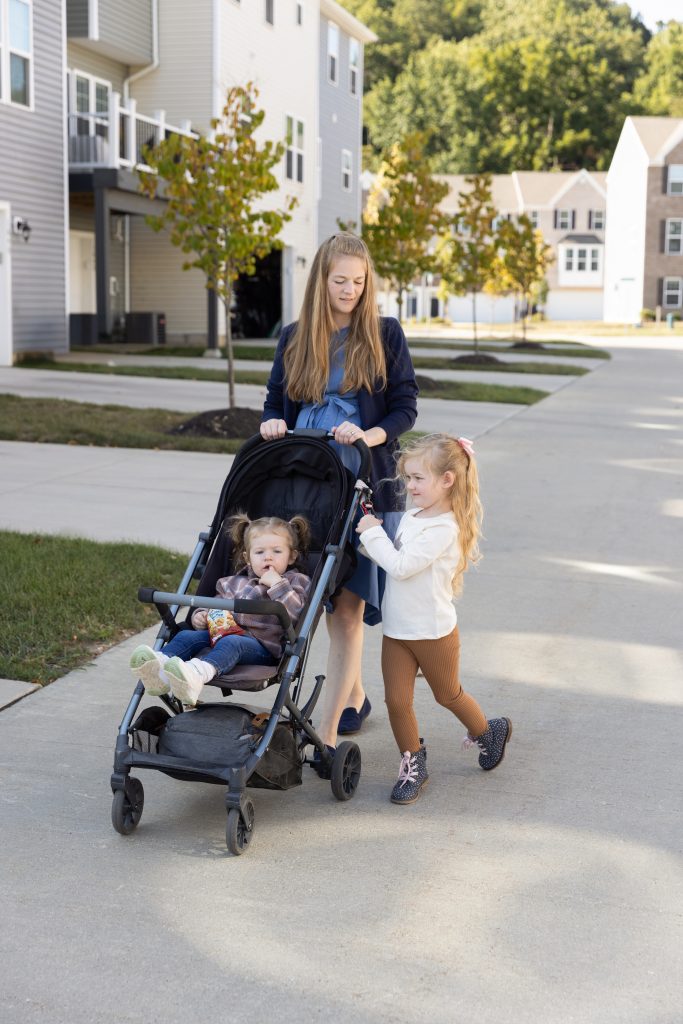
Any amount of movement counts, and it does not need to happen all at once. Begin with what fits into your day:
- Take a walk around your neighborhood, through a store, or inside your home.
- Break up long periods of sitting by standing, stretching, or walking for a few minutes.
- Connect movement to a routine you already have, such as stretching while your coffee brews or walking after dinner.
- Add accessible strength exercises: wall pushups, chair squats, step-ups, resistance-band exercises, or light weights.
- Choose something you enjoy: dancing, hiking, swimming, a sport, or moving with your kids.
Movement can become part of your family’s fitness routine. A morning hike, an after-dinner walk, or playing in the backyard all count, and it is easier to stick with when everyone participates. Start small and gradually increase the time or intensity as your strength and confidence grow. If you have a health condition, significant pain, or mobility limitations, talk with your healthcare provider before starting a demanding exercise program.
3. Healthy eating that keeps you steady, not perfect
Nutrition advice often comes with strict rules: avoid this food, measure that nutrient, buy an expensive powder, remove an entire food group, and eat only at certain times. It can be overwhelming.
Some people need specialized nutrition plans because of allergies, medical conditions, medications, or other factors. For most people, however, it begins with a simpler question: what can I add to this meal to make it more nourishing?
A balanced eating pattern brings together vegetables, fruits, protein, whole grains, and healthy fats in proportions that fit your lifestyle. Many adults also fall short on fiber. Fruits, vegetables, beans, lentils, and whole grains help close that gap. Healthy eating does not have to be complicated or expensive. Add more whole or minimally processed foods, and limit foods high in added sugar, sodium, and saturated fat.

Simplify the meal:
- Add a fruit or vegetable.
- Include a source of protein.
- Choose a fiber-rich carbohydrate or whole grain.
- Add healthy fats and flavor: olive oil, avocado, nuts, seeds, herbs, or spices.
Not every meal needs to be made from scratch, and it can still be nutritious. Frozen fruits and vegetables are affordable and convenient. They work well in smoothies, soups, stir-fries, casseroles, and simple side dishes. Canned beans and lentils are inexpensive sources of protein and fiber. When possible, choose low-sodium or no-salt-added varieties, and rinse them before using.
Start with one meal you eat often:
- Add eggs or cottage cheese and fruit to your breakfast.
- Stir beans or lentils into a soup or into the ground meat you already make.
- Add vegetables and chicken to a grain bowl or salad.
- Keep nuts, fruit, Greek yogurt, or whole-grain crackers on hand for nutritious snacks.
The goal is not perfection. It is intention. Improve one meal, replace one processed food, or try one new flavor. One less nutritious meal does not undo your progress. Let it go and start again with the next meal.
4. Why community is part of healthy living
Health conversations often focus on the physical body and overlook one of the most important factors for well-being: connection.
People need people. Strong relationships provide encouragement, accountability, practical help, belonging, and purpose. They offer a safe place to talk through challenges, celebrate progress, and ask for support.
The U.S. Surgeon General has identified loneliness and social isolation as serious public health concerns. Poor social connection is associated with increased risk of heart disease, stroke, premature death, and poorer mental health. Connection does not require a large social circle or a packed calendar. Often, these fill our days but don’t satisfy our need for connection. It only takes one true relationship to make a meaningful difference.

Scripture reminds believers that community is part of God’s design. Hebrews 10:24-25 calls Christians to gather, encourage one another, and spur one another toward love and good works. God did not design you to manage every responsibility, hardship, or health challenge alone.
Practical ways to strengthen connection this week:
- Offer help to someone walking through a difficult season.
- Call someone instead of sending another quick message.
- Invite a friend to walk, share coffee, or eat a simple meal.
- Attend a church service, Bible study, or small group.
- Put away your phone during a conversation and give the other person your full attention.
- Tell someone when you need prayer, encouragement, or practical help.
Community will not remove every hardship, but it can give you people who stand beside you in difficult seasons and remind you of the truth when you struggle to see it. It also provides you with the opportunity to offer that same support to someone else.
Start with one healthy habit, not all four
You don’t need to overhaul your entire life at once. Choose the area you need most and focus on it first:
- Build a consistent sleep routine.
- Add intentional movement to your day.
- Make one meal more nourishing.
- Reach out to someone you trust.
Begin with one action small enough to repeat, and practice it consistently before adding something new. Healthy habits grow through everyday decisions. Each one gives you another opportunity to care for your body, strengthen your well-being, and build a life that supports the people and purposes God has placed before you.
Community carries you through seasons that are hard to walk through alone, and Christian Healthcare Ministries reflects that same biblical principle. CHM is a faith-based health cost sharing ministry, not insurance. Members share one another’s eligible medical expenses while offering prayer and encouragement along the way. Learn more about how CHM puts that biblical call to carry one another’s burdens into practice.
References
- Centers for Disease Control and Prevention. (2026). Healthy eating tips. U.S. Department of Health and Human Services. https://www.cdc.gov/nutrition/features/healthy-eating-tips.html
- Centers for Disease Control and Prevention. (2024). Adding physical activity as an adult. U.S. Department of Health and Human Services. https://www.cdc.gov/physical-activity-basics/adding-adults/index.html
- National Heart, Lung, and Blood Institute. (n.d.). Sleep deprivation and deficiency: How sleep affects your health. National Institutes of Health. https://www.nhlbi.nih.gov/health/sleep-deprivation/health-effects
- National Heart, Lung, and Blood Institute. (n.d.). Healthy sleep habits. National Institutes of Health. https://www.nhlbi.nih.gov/health/sleep-deprivation/healthy-sleep-habits
- Office of the U.S. Surgeon General. (2023). Our epidemic of loneliness and isolation: The U.S. Surgeon General’s advisory on the healing effects of social connection and community. U.S. Department of Health and Human Services. https://www.hhs.gov/surgeongeneral/reports-and-publications/connection/index.html

Want to know more about CHM?
Sign up to learn more about Christian Healthcare Ministries and receive our Info Pack right in your inbox.